April 27, 2026
Oral health is a critical component of overall well-being, but is often overlooked in healthcare discussions. Despite its integral role in general health, oral healthcare remains one of the most neglected sectors across the globe. This article delves into the reasons behind this neglect and sheds light on the significance of maintaining good oral health.
Understanding Oral Health and Its Importance
Oral health refers to the health of the teeth, gums, and the entire oral-facial system that allows us to smile, talk, and chew. It encompasses the prevention and treatment of oral diseases, the condition of the oral tissues, and the physiological functions of the mouth. Key components include gums, teeth, the oral mucosa lining, the tongue, the hard and soft palate, salivary glands, and the masticatory muscles. Maintaining this system's health is essential for overall well-being, supporting both physiological and emotional health.
Analyzing the Connection to Overall Health
Oral health is intimately linked to overall health. Poor oral health can exacerbate systemic conditions such as diabetes and heart disease, illustrating a bidirectional relationship. Oral infections have been shown to contribute to complications in pregnancy and even cardiovascular diseases. Additionally, the mouth is often a mirror reflecting signs of nutritional deficiencies or general infection. By visiting a dentist regularly and promoting good hygiene, systemic health conditions can be managed more effectively.
Evaluating Common Oral Health Issues
Common oral health problems include cavities, gum disease, and oral cancers, with varying degrees of impact on individuals' lives. These conditions may cause pain, discomfort, and difficulty in speaking and eating. According to the World Health Organization, oral ailments impact nearly 3.5 billion individuals globally, demonstrating their widespread occurrence and the resulting strain on international health. Untreated oral diseases can lead to systemic health issues and diminish the quality of life. Managing these conditions requires timely intervention and preventive care.
Promoting Oral Health in Preventive Healthcare
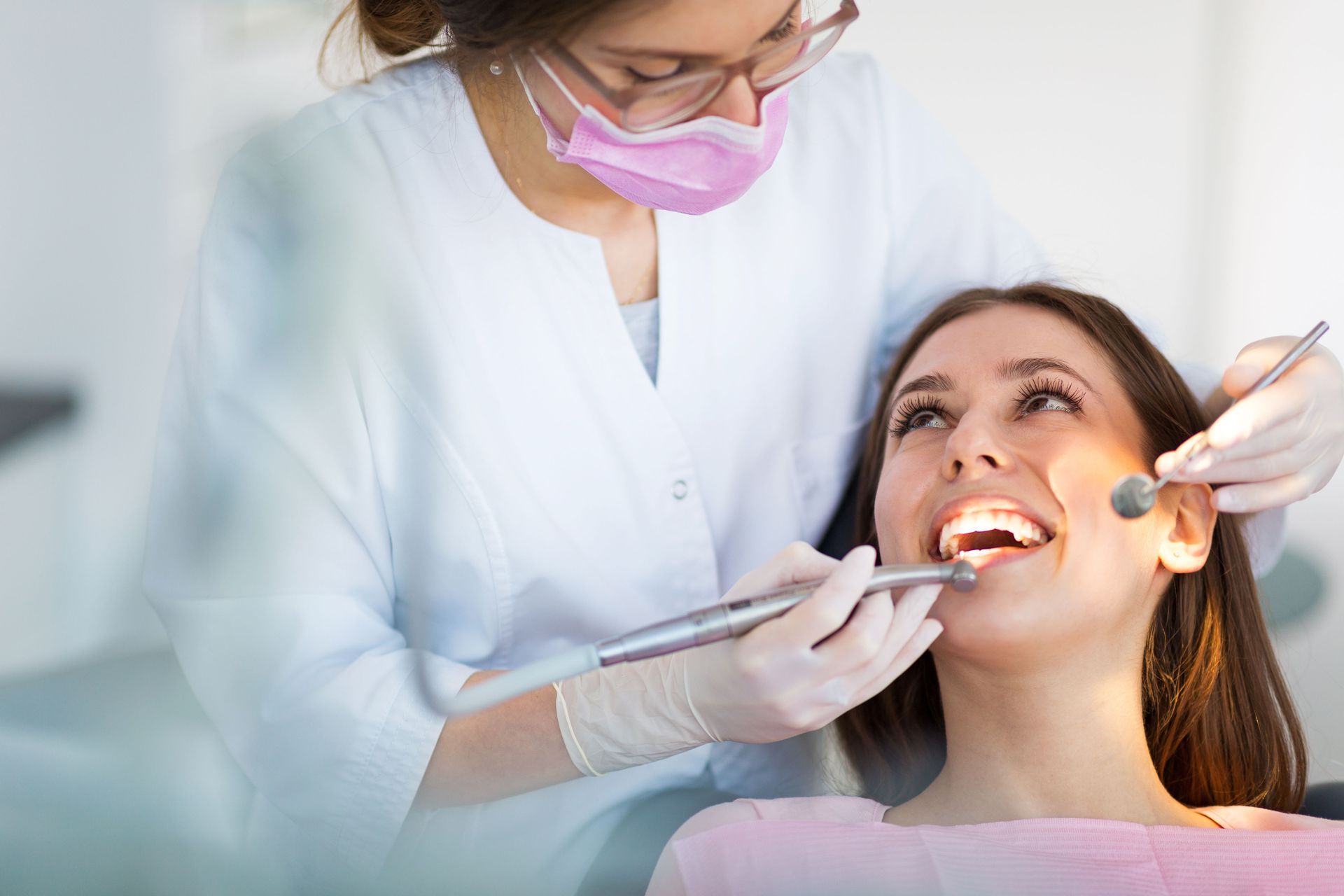
Oral health forms an integral part of preventive healthcare strategies. By identifying early signs of oral diseases, healthcare professionals can prevent more severe systemic issues. Regular check-ups, cleanings, and education on proper oral hygiene practices from a dentist are essential preventive measures. These practices reduce the risk of developing cardiovascular diseases, diabetes, and respiratory infections. Preventive oral healthcare not only preserves dental function but also significantly reduces healthcare expenditures.
Addressing Oral Health Across Life Stages
Oral health needs vary across different life stages, requiring tailored approaches to prevention and care. In childhood, establishing good oral hygiene practices is paramount to preventing cavities and fostering healthy dental development. Adolescents may face additional challenges, such as orthodontic issues. Adults are prone to periodontal disease, necessitating regular evaluations. In older adults, oral health is crucial to maintaining nutritional intake, making it an ongoing priority throughout life.
Reviewing the Historical Neglect of Oral Health
Historically, oral healthcare fell under the domain of barbers and general practitioners rather than specialized professionals. Early medical practices rarely prioritized the mouth except in cases of trauma or infection visible to non-specialists. Dental care was often rudimentary and limited to extractions, with preventative measures being virtually unknown. As a result, oral diseases were rampant due to a lack of comprehensive care and established oral health protocols.
Observing the Evolution of Priorities
With technological advances, priorities began shifting towards broader and more systemic health issues. Oral health began to emerge as a distinct discipline, yet it was still overshadowed by life-threatening conditions like infectious diseases and chronic disorders like diabetes. This evolution in focus often left oral health underfunded despite recognition of its importance. Oral healthcare did not keep pace with other medical fields in terms of policy development and funding.
Identifying Disparities in Public Health
Public health initiatives have historically placed more emphasis on visible, directly life-threatening health issues. Oral health, often perceived as an isolated issue, has suffered from this misperception, hindering integration into general healthcare frameworks. Epidemiological data often fail to prioritize oral health due to its non-urgent nature, resulting in inadequate funding. As a result, oral health continues to be marginalized, impacting populations globally.
Tracking Advocacy and Policy Changes
Despite initial oversight, advocacy for oral health has witnessed significant growth. Organizations have pushed for recognition of oral health's critical role, contributing to the drafting of documents highlighting the necessity of comprehensive care policies. Governments have begun to recognize oral health as a fundamental right, aligning policies to improve access in the U.S. and abroad. However, continuous advocacy is necessary to ensure these policies are effectively implemented.
Learning From Historical Neglect Cases
Examining historical cases of oral health neglect provides insights into possible outcomes if such neglect persists. For example, during the Great Depression, economic constraints resulted in a sharp decline in dental visits, increasing the prevalence of oral diseases significantly. These historical lessons highlight the consequences of neglect, underscoring the importance of sustaining oral health initiatives even during economic downturns. They show that without proper attention, oral health issues become entrenched and expensive to reverse.
Analyzing Economic and Social Barriers
The high cost of dental procedures is a significant barrier to accessing oral healthcare. Many individuals are unable to afford routine check-ups or advanced treatments like root canals. Insurance coverage for dental care is often limited or separate from standard healthcare plans, leaving gaps that many cannot fill. This economic barrier contributes to the cycle of neglect, where symptoms are ignored until they become severe.
Confronting Societal Perceptions and Awareness
Societal perceptions have also played a role in the neglect of oral health. Many individuals undervalue oral health, perceiving dental work as primarily cosmetic rather than essential for overall well-being. There is a lack of awareness about the systemic implications of oral diseases. Public health education campaigns have not sufficiently emphasized the importance of regular care from a dentist. Without societal recognition, individual actions remain limited.
Addressing Geographic and Demographic Disparities
Geographic disparities play a substantial role in oral health accessibility, especially in rural and underserved locations. Dental facilities tend to be concentrated in urban centers, leaving rural populations in the U.S. with fewer resources. Marginalized communities face additional barriers due to systemic inequalities. These geographic and demographic factors exacerbate the disparities in oral healthcare access, influencing oral health outcomes adversely.
Recognizing the Impact of Socioeconomic Status
Socioeconomic status significantly impacts an individual's ability to access and prioritize oral healthcare. Individuals from lower-income brackets may prioritize immediate survival needs over dental care. This choice often leads to the progressive worsening of oral health conditions. Lower-income communities often have limited access to educational resources that stress the importance of oral health.
Implementing Innovative Solutions for Access
Innovations in dentistry offer promising solutions to the access challenges faced in oral healthcare. Mobile dental clinics and teledentistry are increasingly used to reach underserved populations and provide essential oral care.
Community-based initiatives and partnerships with local organizations enhance oral healthcare delivery in remote areas. By utilizing innovative approaches, the accessibility of oral healthcare can be transformed.
Maintaining your oral health is not a cosmetic choice; it is a fundamental requirement for your body's overall longevity and systemic function. While oral care has historically been sidelined in broader medical discussions, the evidence is clear that a healthy mouth is the gateway to a healthy life. By prioritizing preventive care and understanding the deep connections between your teeth and your general well-being, you can avoid the painful and costly consequences of neglect.
Don't let your oral health fall behind your other medical needs. If you are looking for a dedicated dentist to help you maintain a healthy smile and a healthy body, contact Newman Dental Associates today to schedule your comprehensive evaluation.