March 25, 2026
Dental implants have ushered in a new era in dental restoration, quickly becoming the preferred method of replacing missing teeth. According to Cleveland Clinic, dental providers in the United States place over 3 million dental implants each year, making them a widely chosen option for tooth replacement. As dental technology advances, other traditional solutions like dentures and bridges reveal limitations in terms of durability, comfort, and aesthetics. This article delves into the multiplicities of reasons why implants stand out as the best long-term solution for missing teeth.
1. Longevity and Durability
1.1 Comparison with Other Dental Solutions
Dental implants outshine other dental replacement options like dentures and bridges primarily due to their longevity and durability. Unlike removable dentures that may wear out over time, implants are designed to last indefinitely with proper care. Bridges can offer a more permanent solution than dentures but often require replacement every 5-10 years, whereas implants can last a lifetime. Their permanence is due to the integration with the jawbone, creating a stable foundation similar to that of natural teeth.
1.2 Material Strength and Technology
Dental implants are constructed using high-quality biocompatible materials, primarily titanium, known for their incredible strength and resistance to corrosion. These materials integrate seamlessly with human bone, a process known as osseointegration, which promotes stability and longevity. Advances in technology have also led to innovative design improvements that enhance the placement and outcome of implants, ensuring reliable durability. The use of computer-aided design and manufacturing processes further refines the precision and quality of each implant.
1.3 Minimal Maintenance Requirements
Unlike dentures, which require daily removal and special cleaning solutions, implants are maintained with standard oral hygiene practices. The need for minimal interference makes implants an attractive option for those seeking a maintenance-friendly solution. Once implants are in place, regular brushing, flossing, and dental check-ups help to ensure their longevity. This ease of care starkly contrasts with the complexities involved in maintaining a conventional bridge or removable denture.
2. Biocompatibility and Osseointegration
2.1 Definition of Osseointegration
Osseointegration refers to the process by which a dental implant fuses with the jawbone, creating a stable foundation that emulates a natural tooth root. This fusion is crucial for the functionality and durability of the implant, as it allows for proper distribution of biting forces. The success of osseointegration is determined by the biocompatibility of the implant material, with titanium being the gold standard. This seamless integration not only ensures the stability of the implant but also supports the health of the jawbone.
2.2 Impact on Bone Health and Preservation
The presence of a dental implant stimulates the jawbone, much like a natural tooth root does, preventing the bone loss that commonly occurs after tooth loss. This makes implants vital for preserving jawbone density and overall facial structure. Alternative solutions like dentures and bridges may not offer this benefit, allowing bone to atrophy over time. By maintaining bone health, implants also contribute to the stability of adjacent natural teeth.
2.3 Advances in Implant Materials
Recent advances in biomaterials have further improved the success and applicability of dental implants. Research into zirconia implants has provided an alternative for patients sensitive to titanium, expanding accessibility without compromising strength or durability. These improvements make implants suitable for an even broader range of patients, with varying health considerations. Additionally, technological progress in surface treatments has been shown to expedite the osseointegration process, reducing the overall treatment time.
3. Improved Oral Functionality
3.1 Chewing and Bite Strength
Dental implants restore nearly full chewing efficiency, enabling patients to enjoy a wide variety of foods that may otherwise be difficult to eat with dentures or missing teeth. The direct connection to the jawbone allows implants to withstand regular chewing forces, mirroring the functionality of natural teeth. This enhanced biting strength can improve nutrition and overall health by allowing individuals to consume a more diverse diet. Patients often report regaining the confidence to eat in public, as implants do not slip or move unexpectedly.
3.2 Speech Improvement and Clarity
Missing teeth or ill-fitting dentures can lead to speech difficulties, impacting pronunciation and clarity. Dental implants address these issues by providing a stable and secure foundation akin to natural teeth, aiding in clear enunciation. Properly aligned implants ensure that air flow is controlled correctly during speech, reducing lisps or slurred words. With restoration of the natural structure of the mouth, patients often experience improvements not just in speech clarity but also in confidence when speaking. For many, the psychological benefit of clear communication is profound, particularly in professional and social interactions.
3.3 Stability Compared to Other Options
One of the premier functional advantages of dental implants is their extraordinary stability. Unlike dentures, which can shift during eating or talking, implants are firmly anchored in the jawbone. This stability brings unparalleled comfort and reassurance to patients, knowing their implants will not slip or cause embarrassment. The immovability of implants also means that they do not harbor food particles or cause irritation to gums, common issues with removable dentures. Consequently, they provide a durable and reliable solution for those seeking both comfort and functionality in tooth replacement.
4. Aesthetic Benefits
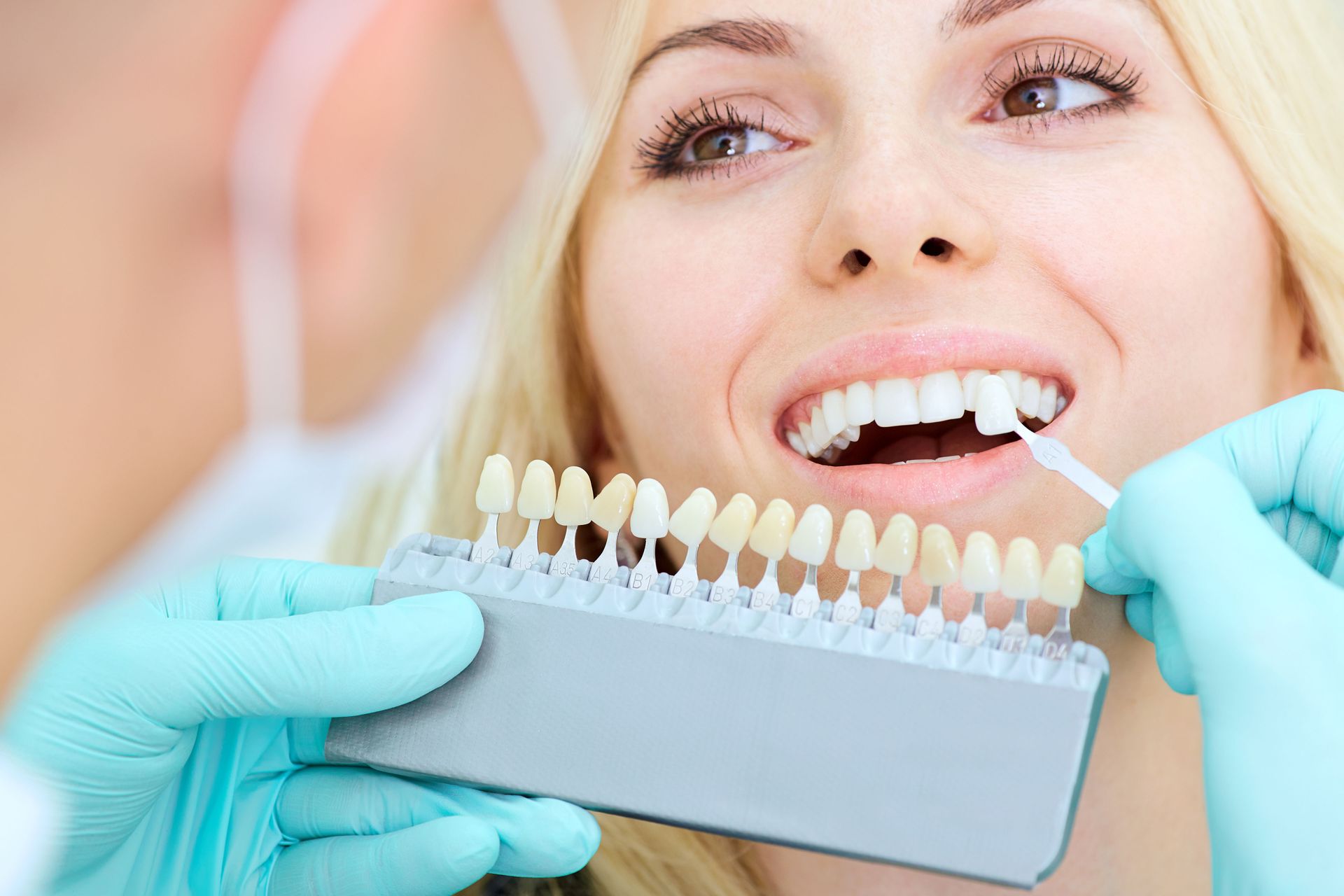
One prominent reason for choosing implants over other tooth replacement options is their ability to mimic the natural appearance and sensation of genuine teeth. Crafted to suit the unique contours of the patient’s natural teeth, implants blend seamlessly into the existing dental framework. This natural quality is achieved through precision molding and material selection, which allows for realistic light reflection and texture. Additionally, the rooted nature of implants provides a firmness similar to that of natural teeth, offering a sensation that other solutions, such as dentures, cannot replicate.
5. Preventive Benefits Against Oral Health Issues
5.1 Reduction in Risk of Adjacent Tooth Decay
Dental implants play a critical role in preventing decay of adjacent teeth by maintaining optimal spacing and preventing shifting. Unlike dental bridges, which require the alteration of neighboring teeth, implants serve independently, allowing the natural teeth to remain intact. This independent placement prevents damage and decay that might otherwise occur from modifying healthy teeth to accommodate a bridge. The secure integration of implants protects against gaps that could foster bacteria, leading to decay. Consequently, implants contribute significantly to the holistic prevention of oral health deterioration.
5.2 Protection Against Gum Disease
Implants offer protective benefits against gum disease by maintaining proper alignment and preventing overcrowding or gaps that can harbor bacteria. A well-placed implant can promote healthier gums by creating a stable, easy-to-clean surface around the restoration. With implants, patients often find it easier to practice effective oral hygiene, contributing to gum health. Additionally, maintaining bone volume in the jaw reduces the spaces where plaque and bacteria can accumulate. Thus, implants not only restore dental function but also support broader oral health by mitigating the risk of periodontal conditions.
5.3 Prevention of Jawbone Deterioration
One of the most profound preventive benefits of implants is their ability to avert jawbone deterioration, a common consequence of tooth loss. Implants function to replicate the stimulation a natural tooth root provides, promoting the maintenance of healthy bone tissue. In their absence, bone resorption can occur, leading to changes in facial structure and further tooth loss. By integrating into the bone and providing necessary stimulation, implants preserve both bone density and integrity. This preservation is vital to maintaining facial aesthetics and the stability of the remaining natural teeth.
Dental implants offer a long-lasting, functional, and aesthetically pleasing solution for replacing missing teeth. Their integration with the jawbone preserves bone health and prevents the complications often associated with dentures and bridges. Beyond restoring chewing, speech, and comfort, implants also support overall oral hygiene and protect adjacent teeth. With advancements in materials and technology, implants continue to set the standard for reliable and preventive dental care. Take the steps to improve your oral health and gain confidence in your smile by contacting Newman Dental Associates today.