June 17, 2026
The field of cosmetic dentistry is continually evolving, influenced by global trends, technologies, and consumer preferences. Understanding these trends can help patients and practitioners make informed choices. In this article, we delve into various aspects of how global shifts impact cosmetic dentistry and how you can navigate these changes with your cosmetic dentist.
Understanding the Global Market for Cosmetic Dentistry
The Growing Demand for Cosmetic Procedures
Cosmetic dentistry is witnessing an unprecedented demand worldwide. More people are becoming conscious of their appearance, and teeth aesthetics play a significant role in perceived beauty. This surge in interest is largely due to the promotion of a perfect smile in media and social platforms. With this growing demand, cosmetic dentists are expanding their services to cater to a diverse clientele. As the industry flourishes, practitioners must stay abreast of these trends to remain competitive and responsive to patient needs.
Regional Differences in Cosmetic Dentistry Preferences
There is a remarkable variation in cosmetic dentistry preferences across different regions. For instance, while North Americans might prioritize teeth whitening, in Asia, procedures like orthodontics take center stage. Cultural influences and dietary habits significantly shape these regional preferences. Understanding these distinctions is crucial for practitioners who operate in diverse communities. By recognizing these preferences, cosmetic dentists can tailor their services to meet the specific needs of their patients.
Impact of Cultural Influences on Aesthetic Choices
Cultural background heavily influences patients' aesthetic choices in cosmetic dentistry. In many Asian countries, maintaining a natural look is more desirable than the stark white smiles favored in Western countries. Social media has broadened these cultural exchanges, leading to a fusion of trends. Cosmetic dentists must be sensitive to these cultural nuances to ensure that their treatments satisfy their patients' desires without compromising cultural values. This cultural dexterity enhances patient satisfaction and ensures effective practitioner-patient interactions.
Key Players in the Global Cosmetic Dentistry Market
The cosmetic dentistry market is dominated by several key players who drive trends and innovations. These include established dental product manufacturers and innovative tech companies. The pioneering work of these entities in developing advanced materials and methods is revolutionizing patient care. By collaborating with industry leaders, practitioners can access cutting-edge techniques and tools that elevate patient outcomes. Staying informed about these key players allows cosmetic dentists to adopt best practices and remain competitive globally.
Trends in Professional Training and Certification
The ongoing advancements in cosmetic dentistry necessitate continuous education for practitioners. As techniques and technologies evolve, cosmetic dentists must update their skills through professional training. Accredited certifications are invaluable as they signify expertise and competence in the latest procedures. This commitment to learning ensures that patients receive the highest standard of care. Ultimately, well-trained practitioners can better navigate the complexities of global trends and deliver exceptional aesthetic results.
Technological Advancements and Innovations
The Role of 3D Printing in Dental Restoration
3D printing has become a transformative force in cosmetic dentistry, particularly in dental restorations. This technology allows for precise and rapid fabrication of crowns, bridges, and implants. The customization capabilities of 3D printing ensure that these restorations fit perfectly with a patient’s unique dental anatomy. This personalized approach significantly improves comfort and aesthetics. With 3D printing, the turnaround time for dental restorations is significantly reduced, enhancing the overall patient experience.
Utilizing Digital Scanning for Precision
Digital scanning is revolutionizing the accuracy and efficiency of cosmetic dental procedures. High-resolution scans provide detailed information about a patient’s oral cavity, allowing for precise treatment planning. This technology minimizes errors and enhances the fit and function of dental restorations. For patients, this means fewer adjustments, reduced chair time, and better overall outcomes. Digital scanning represents a significant advancement in delivering precision and excellence in cosmetic dentistry.
Advancements in Teeth Whitening Techniques
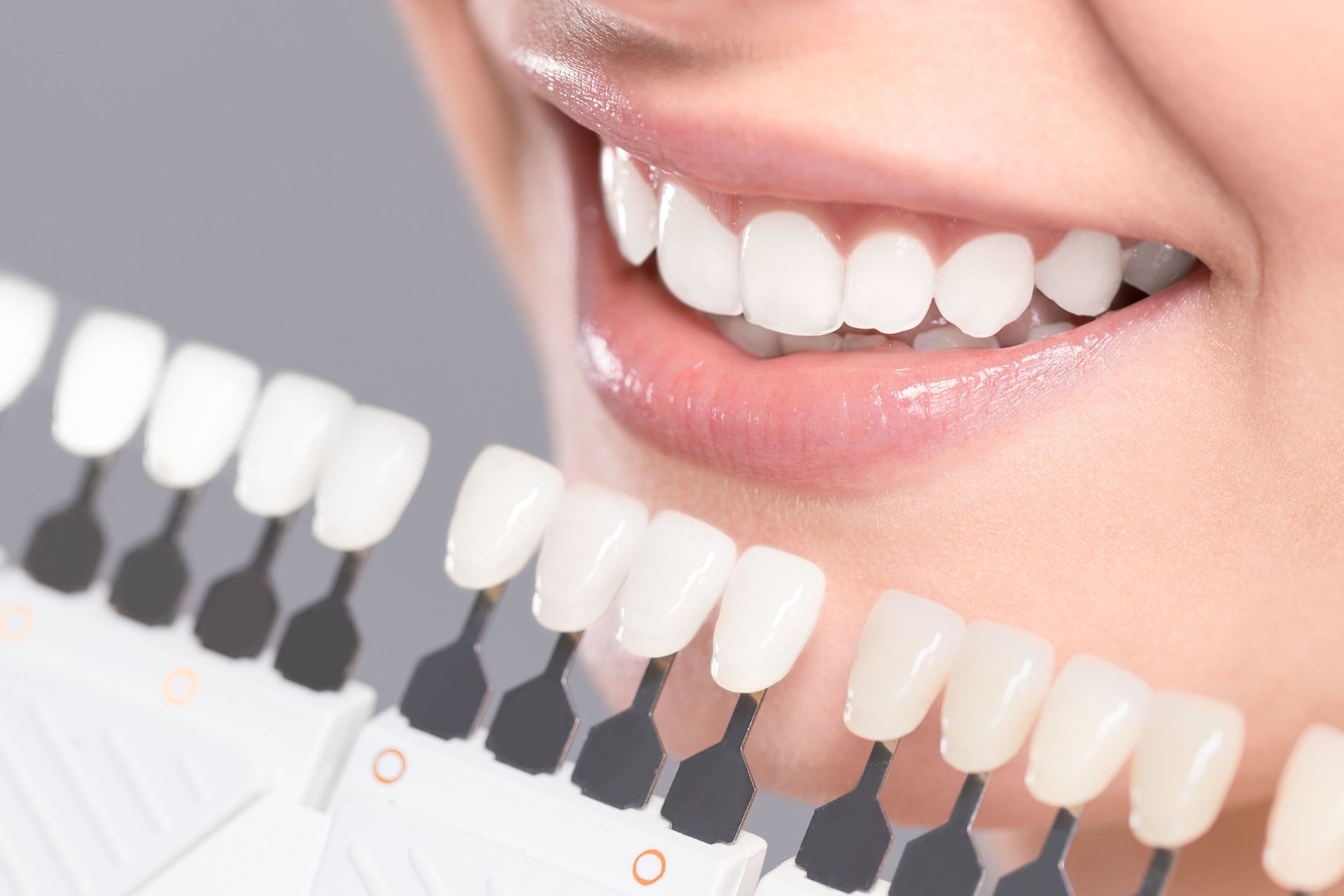
Teeth whitening is one of the most sought-after procedures in cosmetic dentistry. According to the American Association of Orthodontists, nearly 90% of patients request tooth whitening during a visit. New techniques and products have significantly improved the safety and efficacy of whitening treatments. Innovations in whitening agents and delivery systems have minimized sensitivity and delivered more consistent results. This evolution in teeth whitening provides patients with brighter smiles while ensuring their comfort and satisfaction.
Integration of AI in Treatment Planning
Artificial intelligence (AI) is increasingly being integrated into treatment planning in cosmetic dentistry. AI algorithms can analyze patient data and predict outcomes with remarkable accuracy. This allows for personalized treatment plans that are tailored to the individual needs and preferences of patients. By reducing uncertainties and improving precision, AI enhances patient satisfaction and trust in cosmetic dentistry. The potential of AI in creating optimal treatment plans marks a new era of personalized and efficient dental care.
The Future of Nanotechnology in Dentistry
Nanotechnology holds great promise in the future of cosmetic dentistry. The development of nano-scale materials can enhance the functionality and durability of dental restorations. These advanced materials offer superior aesthetic qualities, mimicking the natural translucency and color of teeth. Furthermore, nanotechnology provides opportunities for minimally invasive restoration procedures. As this field advances, nanotechnology is set to create profound advancements in the effectiveness and sustainability of cosmetic dental treatments.
Environmental and Ethical Considerations
Sustainable Practices in Cosmetic Dentistry
The growing demand for cosmetic dentistry calls for sustainable practices to minimize environmental impact. Implementing eco-friendly materials and reducing waste are crucial steps towards sustainability. Practitioners are embracing new methods to recycle dental materials and minimize their carbon footprint. Sustainable practices not only benefit the environment but also resonate with environmentally conscious patients. By adopting green initiatives, cosmetic dentists contribute to a healthier planet while attracting a responsible clientele.
Ethical Implications of Cosmetic Enhancements
Cosmetic dentistry raises important ethical considerations regarding patient motivations and informed consent. Practitioners must carefully evaluate whether a patient's desired enhancement serves a genuine need or is influenced by external pressures. Ethical practice involves ensuring that patients have realistic expectations and understand the risks and benefits of procedures. This patient-centric approach fosters trust and transparency. Ultimately, ethical considerations guide responsible decision-making that prioritizes patient well-being above all else.
The Role of Biodegradable Materials
Biodegradable materials are becoming increasingly important in cosmetic dentistry. These materials offer environmentally friendly alternatives to traditional dental products. Biodegradable polymers can degrade naturally, reducing waste and pollution. Incorporating these materials into dental procedures aligns with broader sustainability goals within the healthcare industry. Practitioners who prioritize green materials demonstrate a commitment to environmental responsibility, positively influencing their practice's reputation.
Patient Education on Minimal Intervention
Empowering patients with education on minimal intervention dentistry is crucial for informed decision-making. This approach emphasizes preventative care and the preservation of natural tooth structure. Educating patients about the benefits of minimal intervention fosters trust and encourages proactive dental care. Informed patients are more likely to choose treatments that align with their long-term health goals. Patient education is an essential component of ethical cosmetic dentistry, ensuring that treatments are both effective and appropriate.
Influence of Global Ethical Standards
Globalization has led to the integration of international ethical standards in cosmetic dentistry. Practitioners are increasingly expected to adhere to universal guidelines that promote responsible and ethical practice. These standards protect patient rights and emphasize the importance of informed consent and transparency. By aligning with global standards, a cosmetic dentist can enhance their practice's credibility and ensure high-quality care. Understanding and adopting these ethical guidelines is essential in maintaining a reputable and trustworthy dental practice.
In conclusion, understanding global trends in cosmetic dentistry is crucial for patients and practitioners alike. By keeping abreast of market dynamics, technological innovations, environmental and ethical considerations, and patient expectations, one can navigate this ever-evolving field effectively. With the right knowledge and approach, your cosmetic dentistry experience can be both fulfilling and transformative. Reach out to Newman Dental Associates today to see how we can help you!